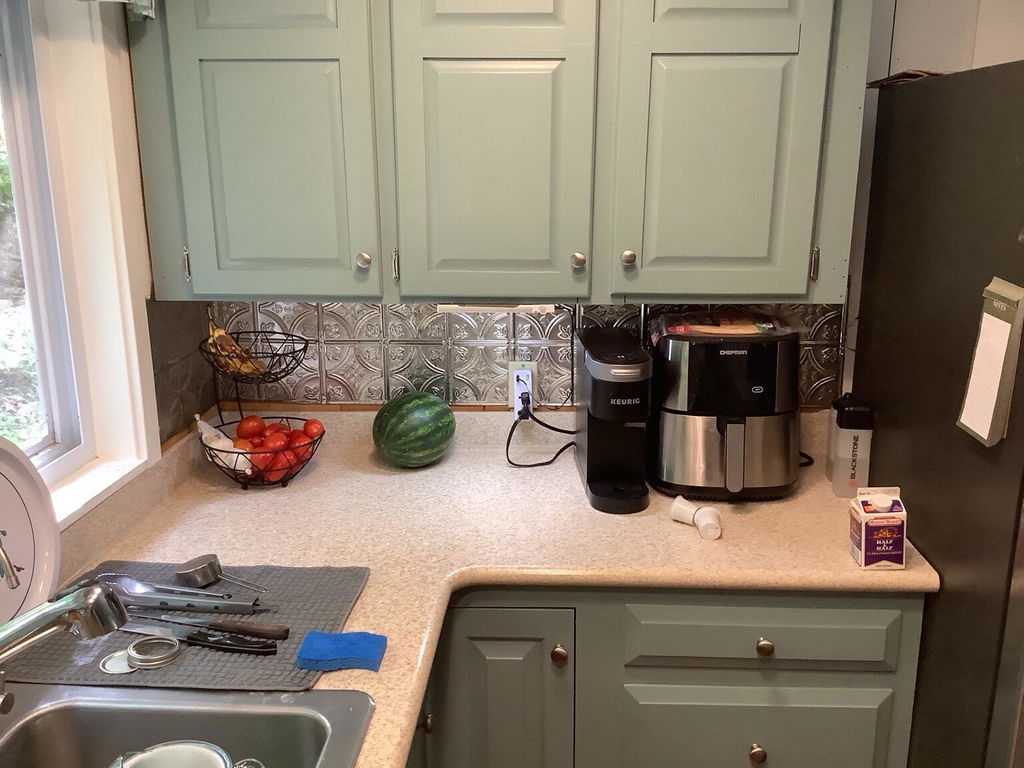
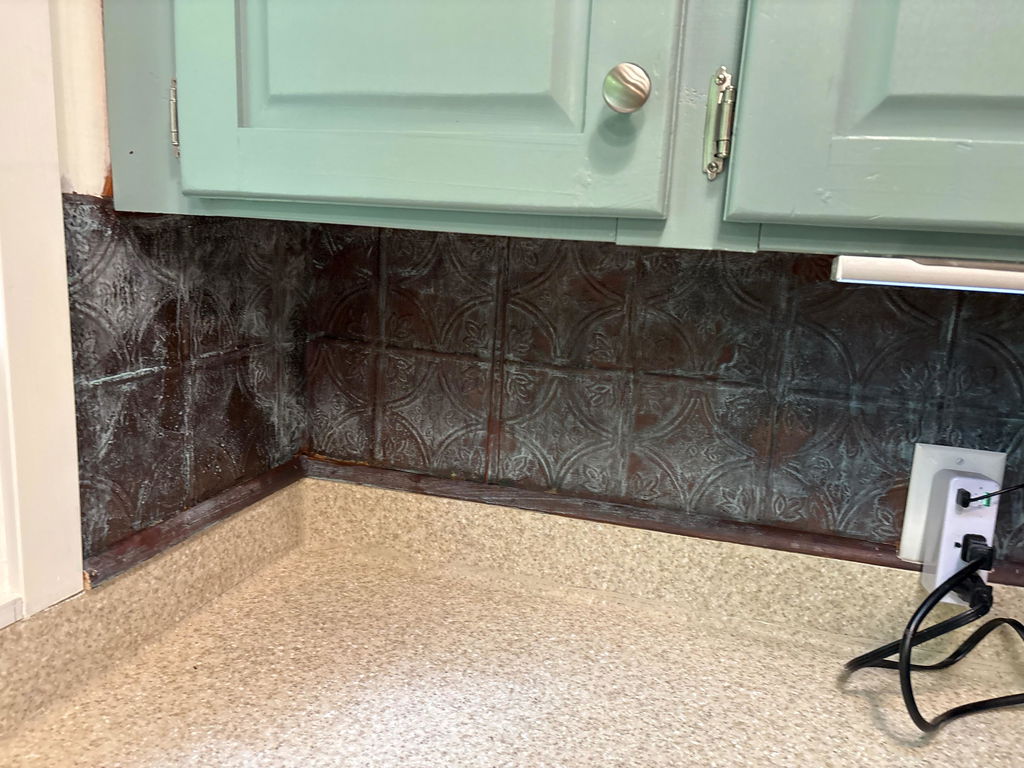
Insl-X Cabinet Coat Trim & Cabinet Enamel Paint

Insl-x Cabinet Coat Gallon Satin White CC5501099

Insl-X Cabinet Coat Gallon Satin White CC5501099

SKU: CC5501099-01-CL

Each

Regular price $62.99 ea

Save by the box

Regular price $122.04 Box of 2 $61.02 ea
Insl-x CabinetCoat Semi-Gloss Trim & Cabinet Enamel Gallon

Insl-X Cabinet Coat Gallon Semi-Gloss White CC5601099

SKU: CC5601099-01-CL

Each

Regular price $62.99 ea

Save by the box

Regular price $122.04 Box of 2 $61.02 ea

Selected itemsItems: 0

Total: $0.00

Insl-x Cabinet Coat offers a premium finish specifically designed for restoring tired and worn kitchen and bathroom cabinets, shelving, furniture, and various interior surfaces. Its formulation creates an ultra-smooth, factory-quality finish that not only enhances the aesthetic appeal but also provides exceptional durability.

Ā This enamel paint resists chipping, peeling, and fading, ensuring your refinished surfaces maintain their beauty over time. Ideal for both professional and DIY applications, Insl-x Cabinet Coat delivers a long-lasting, high-performance coating that revitalizes your interiors with a polished, refined look.

Its exceptional adhesion enables application on challenging surfaces, including polyurethane and varnished areas, without the need for a primer. However, Cabinet Coat is unsuitable for surfaces exposed to immersion in liquids, such as sinks and tubs, as well as stove or oven surfaces.

SUGGESTED USES: Metal, New painted, polyurethaned wood, Furniture, Woodwork, Doors & Toys.

  • Color: White
  • Product Type: Trim & Cabinet Enamel
  • Exterior/Interior: Interior
  • Container Size: 1 gal
  • Tintable: No
  • Clean Up: Soap and Water
  • Coating Material: Urethane Acrylic
  • Coverage Area: 350 - 450 sq ft per gallon
  • VOC Level: 47 g/L
  • Time Before Recoating: 6 hr
  • Recommended Surface: Multi-Surface
  • Full Cure Time: 14 day
  • Mildew Resistant Finish: No
  • Application Method: Brush, Roller, HVLP or Airless Spray
  • Dry Time: 14 day

For product use and all other details please refer to the manufacturer Technical Data Sheets:

Insl-X Cabinet Coat Satin Finish Technical Data Sheet

Insl-X Cabinet Coat Semi-Gloss Finish Technical Data Sheet

Surface Preparation General – All surface areas to be painted should be clean, dry, sound and free of all dirt, grease, oils, waxes, mildew and any other surface contaminants that can cause paint failure. Dirt and chalk should be thoroughly removed by scrubbing with warm soapy water. Surface wax should be removed with a commercial wax stripper. Grease residue should be removed with a cleaner. Remove all loose chipping, cracking and peeling from previously painted surfaces by hand scraping, sanding, wire brushing and/or by use of power tool cleaning methods such as electric sanders, grinders, etc. Remove any loose rust, mill scale, rust deposits from metal surfaces by the same methods described above in accordance with SSPC – (Steel Structures Painting Council) specifications for the proper surface preparation of metal surfaces. Repair/replace any seriously damaged and/or delaminated surface areas. Lightly feather sand all rough paint edges to adjacent surface area. All glossy surface areas should be lightly sanded to effectively dull any existing sheen and create a more suitable surface for painting. NOTE: Always clean before sanding to prevent driving contamination into the substrate or previous coatings!

Glossy Surfaces – Although Cabinet Coat is formulated to be applied to hard to coat surfaces without the need for sanding, it is recommended that proper surface preparation still be completed to enhance adhesion properties. Surfaces such as Melamine Laminate, FormicaĀ®, ceramic tile and glossy painted surfaces should be properly deglossed.
Previously Painted Surfaces: No primer is needed if surface is in good condition. Clean or sand as described above. Spot prime bare spots with an initial coat of Cabinet Coat. For surfaces previously painted with alkyd paint, here's what you need to do: Clean Thoroughly: Make sure to clean the surface well to remove any dirt, grease, or loose paint. Sand Properly: Sand the surface to ensure it is smooth and ready for the new coat. After these steps, you can apply Cabinet Coat directly without a primer. If there are any bare spots, make sure to spot prime them with Cabinet Coat. This ensures the best adhesion and finish.
Ferrous Metal: Prime bare spots with metal primer.Ā 
WARNING! If you scrape, sand or remove old paint, you may release lead dust. LEAD IS TOXIC. EXPOSURE TO LEAD DUST CAN CAUSE SERIOUS ILLNESS, SUCH AS BRAIN DAMAGE, ESPECIALLY IN CHILDREN. PREGNANT WOMEN SHOULD ALSO AVOID EXPOSURE. Wear a NIOSH-approved respirator to control lead exposure. Carefully clean up with a HEPA vacuum and a wet mop. Before you start, find out how to protect yourself and your family by contacting the National Lead Information Hotline at 1-800-424-LEAD or log on to www.epa.gov/lead.Ā Ā 

Application - Cabinet Coat applies easily with a high-quality brush or roller. If spraying is desired, the preferred method is HVLP. Stir product thoroughly before using. It is important to maintain a wet edge during all methods of paint application by brushing or rolling into previously applied coating area. Overworking Cabinet Coat can lead to brush marks or roller marks, as this product dries quickly. Apply when surface and ambient temperature are above 50ĀŗF and below 90ĀŗF. Avoid paint application outside when weather conditions are threatening, and late in the afternoon when there is a threat of moisture condensing on wet paint. Do not paint if surface temperature is within 50ĀŗF of the dew point. Brush: High-quality Synthetic Bristle only. Roller: High-quality Short Nap Cover (Less than Ā½ā€). Spray: Thin with up to 8 oz per gallon of clean water. For HVLP, use a #12 air cap and needle. If spraying with an airless or conventional sprayer, atomization could infuse the product with air that may become entrapped in the coating. For that reason, thin with up to 8 oz per gallon of clean water, dial the pump pressure down as much as possible and use a .019-.021ā€ tip. When applying Cabinet Coat with an airless sprayer, it's highly recommended to use a 312 FFLP (Fine Finish Low Pressure) tip. This ensures a smooth, even finish and minimizes overspray. For HVLP (High Volume Low Pressure) sprayers, a #3 tip works best, especially when the product is thinned by 15-20%. Steps for Best Results: Thinning: Mix up to 8 oz of clean water per gallon of Cabinet Coat. Pressure Adjustment: Dial down the pump pressure as much as possible to avoid overspray. Tip Selection: Airless Sprayer: Use a 312 FFLP tip for a fine finish. HVLP Sprayer: Opt for a #3 tip, particularly with 15-20% thinning. By following these guidelines, you can achieve a professional-grade finish with ease. Many professionals find Cabinet Coat to be very easy to spray and often prefer it over other products due to its versatility and the range of bases it offers.

Cleanup - Clean hands, brushes, rollers and other equipment with warm, soapy water immediately after use. USE COMPLETELY OR DISPOSE OF PROPERLY. Dry empty containers may be recycled in a can recycling program. Local disposal requirements vary; consult your sanitation department or state-designated environmental agency on disposal options.
Read Reviews

Insl-X Cabinet Coat Trim & Cabinet Enamel Paint

Selected itemsItems: 0

Total: $0.00

**Important Note** - You have selected a special order item that requires an extended shipping time. All sales are final on special order items, once ordered no changes, cancellations, returns, or refunds can be made, order carefully. By clicking OK below you acknowledge this exception.